Best Hearing Aids for Children and First-Time Wearers
A Saturday morning in Olney might start on the soccer fields and end with
By: Melani M. Birck, Au.D | September 21, 2026
A Saturday morning in Olney might start on the soccer fields and end with a show at the Olney Theater. During the week, there’s plenty happening between school, work and time at home.
For a child getting hearing aids for the first time, those familiar parts of the day suddenly become part of a decision parents may not have expected to make. There are plenty of devices to consider and figuring out where to begin isn’t always obvious.
Adults choosing their first hearing aids often find themselves sorting through many of the same questions. What works for one person may feel completely different for someone with another routine or hearing loss.
Age adds another layer to the decision, especially when the wearer is a child. Before choosing a first pair, it’s useful to know what separates one option from another and which details deserve a closer look.
Hearing loss isn’t simply a matter of sounds being quieter. A child or first-time wearer may hear certain pitches well while missing others, depending on their hearing levels.
That difference matters because speech contains sounds across several pitches. Someone might hear that a person is talking without catching every word correctly.
Hearing can also vary between the two ears, so the same voice may not sound equally clear from every direction. Before choosing a first hearing aid, a test shows which sounds are being missed and how much amplification is needed at different frequencies.
For children, those results are especially important because their ears are still growing and their listening needs change as they develop.
Hearing aids work by bringing softer sounds back into a range the wearer can hear more easily. They aren’t simply turning up everything at the same level.
The devices are programmed from the hearing test, so frequencies that are harder to hear receive more amplification than those already heard well. This can make parts of speech that were previously missed easier to pick up during conversation.
Modern hearing devices also process sound as it comes through the microphones. Depending on the settings, they may reduce some steady background noise or place more emphasis on speech coming from a certain direction.
For a first-time wearer, that means hearing more of the sound information that was missing before. The result depends on the person’s levels and the environments where they spend their time.
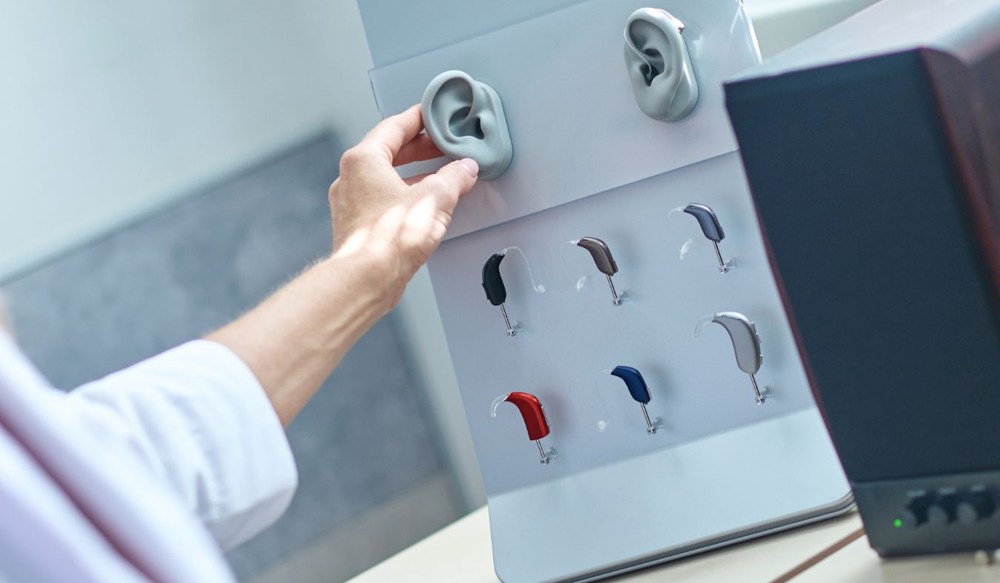
For young children, behind-the-ear hearing aids are often used because their ears are still growing. The device sits behind the ear and connects to a custom earmold that fits inside the ear.
As the ear changes shape, the earmold can be replaced without changing the entire device. A secure fit also reduces feedback and keeps them from shifting during school or play.
Pediatric models may include tamper-resistant battery doors and attachments that keep the devices in place. The child’s level of hearing, ear size and ability to handle the devices also factor into which style fits their needs.
Kids move between very different listening situations throughout the day. Certain hearing aid features change how the devices handle those changes or how adults keep track of their use.
Features worth discussing include:
Fit also matters when kids are running, bending or wearing helmets and hats.
If the device moves too much, the microphones may not stay in the position used during fitting, which can change how sound is picked up.
A secure fit keeps the device where it was intended to sit without creating pressure points that make a child want to take it off.
A hearing aid may get knocked loose during recess, dropped while changing clothes or exposed to sweat during practice. The casing needs to protect the electronics through that kind of daily use.
Water resistance covers moisture, but each device has limits. Its IP rating shows how it performed during specific dust and water tests.
That rating is useful when checking whether a device can handle sweat or an unexpected splash. It doesn’t mean every water-resistant hearing aid can be worn while swimming.
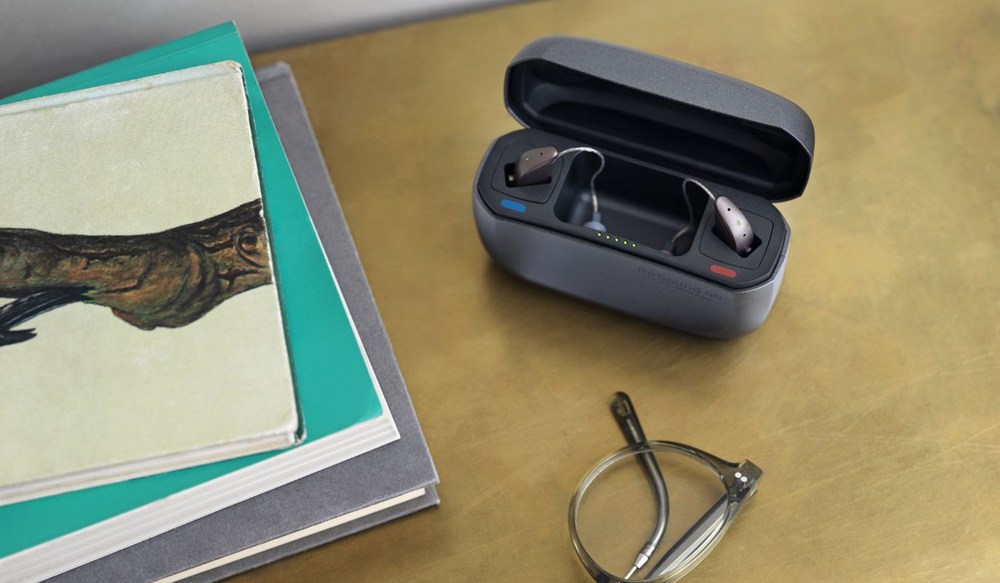
Battery life needs to cover the hours a child wears their devices, including time after school. Rechargeable hearing aids need to make it back to the charger each night.
Disposable batteries require a spare to be available when one runs out. Streaming can drain either type faster, so a day with more tablet or phone use may use more power than usual.
Younger children will usually need an adult to keep track of charging or battery changes until they can reliably handle it themselves.
For kids and first-time wearers, controls work best when common functions are easy to recognize and use. The right setup can match how much the wearer is ready to manage independently.
Features may include:
Phone calls, music and audiobooks can work the same way on compatible models. The hearing aids still use their programmed settings while streaming, so the incoming audio is adjusted for the wearer’s needs.
The connection itself varies between devices. Some hearing aids pair directly through Bluetooth, while others need an app or separate accessory.
For children who use school-issued tablets or computers, checking compatibility beforehand avoids choosing a feature that won’t connect with the equipment they use.
Some hearing aids have an adaptation setting that changes amplification gradually instead of using the final programmed level from the first day.
Your audiologist sets where the volume begins and where it should eventually reach. Depending on the device, those increases may happen automatically over a programmed period or be made during follow-up visits.
The setting can also be adjusted if the original pace doesn’t match how the wearer is responding to the new volume.
Children often need time to get comfortable with the feeling of something sitting on or inside their ears. Short, familiar experiences with hearing aids can make wearing them feel more normal.
Parents might try:
A soft, dry cloth works for wiping the casing, while the earmold opening should be checked for wax that could block sound. Tubing also needs to stay open and free of moisture.
If an earmold can be removed, follow the cleaning directions for that specific model before washing it. Parents can listen to the devices before they go on each morning to make sure the sound is coming through as expected.
Choosing the right hearing aid takes some thought because they become part of how you or your child hears throughout the day. For children, parents may be thinking about school, activities and how independently their child can handle the devices.
Adults will have their own routines and preferences to consider. After the fitting, there’s time to become familiar with the devices and see how different features work during regular use.
Olney Family Hearing works with children and adults choosing hearing aids for the first time. Call (240) 599-4918 to schedule a visit at our Olney, MD clinic.
Bring along any questions you’ve collected while looking at different devices. We can discuss them during your appointment and find a pair that suits you or your child.
Tags: hearing aid basics, hearing aid selection tips, hearing aids for children
A Saturday morning in Olney might start on the soccer fields and end with
By: Melani M. Birck, Au.D | September 21, 2026

When a child’s hearing becomes a concern, most parents want to move
By: Melani M. Birck, Au.D | April 22, 2026
You put in your new hearing aids for the first time, and within minutes,
By: Melani M. Birck, Au.D | February 20, 2026